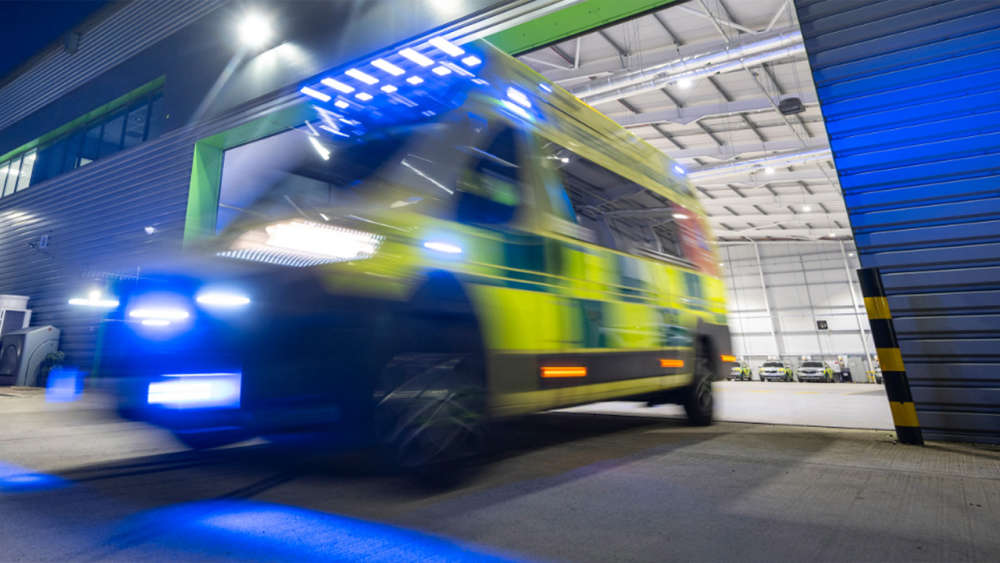
The South Western Ambulance Service NHS Foundation Trust (SWASFT) is appealing to residents and visitors across the South West to help protect emergency services this weekend, after experiencing its busiest day on record.
On Thursday, 25 June, the Trust received over 5,200 calls to its 999 control rooms and managed over 4,300 incidents across the region – the highest level of demand ever recorded by the service.
The unprecedented demand was driven by the ongoing period of extreme hot weather, with temperatures soaring across the South West during the Red Heat-Health Alert.
The number of incidents managed was more than 390, higher than the previous day and represented a 34% increase on the level of demand normally expected at this time of year.
The service also saw significant increases in the number of patients requiring help for falls, breathing difficulties, and unconsciousness or fainting – conditions commonly associated with prolonged periods of hot weather.
While ambulance crews and emergency operations centre staff continue to work tirelessly to respond to patients, the sustained demand is placing exceptional pressure on emergency services across the region.
The ambulance service is urging people to take sensible precautions to stay safe in the heat and to choose the right NHS service for their healthcare needs. Calling 999 only in life-threatening emergencies will help ensure ambulances remain available for those who need them most.
People can help protect themselves during the hot weather and reduce avoidable pressure on emergency services by:
- Drinking plenty of water and staying hydrated
- Wearing sunscreen and light, protective clothing
- Avoiding the sun during the hottest part of the day (11am–3pm)
- Limiting strenuous physical activity during peak temperatures
- Checking on older relatives, neighbours and anyone who may be more vulnerable to the effects of the heat
Pete Brown, Director of Operations at SWASFT, said: “We want to be there for everyone that needs us in a life-threatening emergency; to do this, we need to have our ambulances free to respond to those most in need. If you call us and we’re not the right service for you, we will direct you to another part of the NHS - please listen to this advice, as it could mean that you get the help you need faster.
"We are receiving many calls for conditions such as sunburn, feeling overheated and mild dehydration due to alcohol intake. While these symptoms can feel unpleasant, they can often be managed safely at home or with advice from NHS 111 online or your local pharmacy. Every less urgent 999 call reduces our ability to respond quickly to someone whose life may be at risk.
"999 should be used for serious medical emergencies such as cardiac arrest, chest pain, breathing difficulties, suspected stroke, loss of consciousness, choking, severe allergic reactions or catastrophic bleeding."
Pete adds: " We recognise that some patients are waiting longer than we would like, and we are sorry for this. Our people are doing everything possible to provide safe care under unprecedented levels of demand.
"Please do not call back to ask when your ambulance will arrive. Unfortunately, we are unable to provide estimated arrival times and repeat calls can delay our ability to answer other emergency calls.
"I would like to thank our staff, volunteers and NHS partners across the region for their continued dedication in delivering the best possible care under extremely challenging circumstances."
Choosing the right NHS service
- Self-care – for minor illnesses and injuries, visit NHS 111 online for advice and treatment guidance.
- Pharmacy – pharmacists can provide expert advice and treatment for many common conditions, including headaches, coughs, colds, stomach upsets and minor aches and pains.
- NHS 111 – visit NHS 111 online or call 111 for advice and support 24 hours a day, seven days a week
- GP – contact your GP for ongoing symptoms or health concerns that need medical assessment.
- Minor Injury Unit (MIU) or Urgent Treatment Centre (UTC) – for urgent but non-life-threatening injuries and illnesses such as sprains, minor fractures and burns.
- Calling 999 – only for life-threatening emergencies, including cardiac arrest, chest pain, severe breathing difficulties, suspected stroke, loss of consciousness, severe bleeding, choking, severe allergic reactions or serious head injuries.
The Trust will continue to monitor demand closely and work with NHS partners across the region to provide the best possible care for patients throughout the period of extreme weather.
 Officers who died during the course of their duties remembered across Wiltshire
 Art in The Square returns to Salisbury this Sunday
 PCC urges continued partnership to prevent knife crime and support families
 Murder investigation launched following death of man in Ludgershall
 From fighting for his life to fighting for a place at the European Championships
 Get Christmas wrapped up early at Rockbourne Fair
 Hand Me Down Salisbury rehomes 1,000 pre-loved items in its first two weeks
 ALABARÉ Appalled by Rise in AI-generated Scams Purporting to be Injured Veterans