
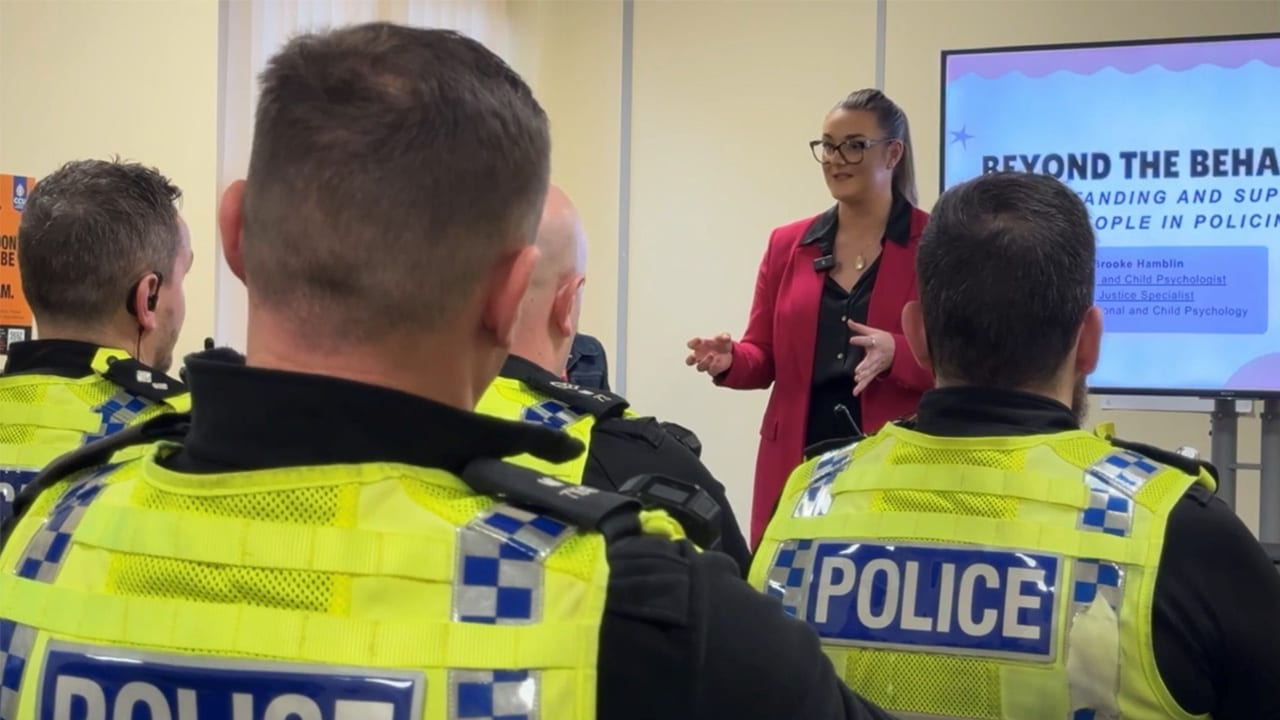
A child and educational psychologist is helping Wiltshire Police frontline officers better understand and support vulnerable children and young adults through a pioneering pilot programme.
The pilot, which runs until April 2027, is believed to be the first of its kind in the UK. It is supported through funding from the Serious Violence Duty and the Office of the Police and Crime Commissioner (OPCC).
Over the coming months, Dr Brooke Hamblin will work with response officers, neighbourhood policing teams, and specialist officers and staff to provide training, advice and practical strategies for engaging with young people in heightened emotional states.
The scheme forms part of Wiltshire Police's Knife Crime Strategy, launched earlier this year, which sets out how the Force and its partners will work over the next three years to prevent knife-enabled violence and keep communities safe.
While knife crime levels in Wiltshire remain comparatively low, the impact of knife-related violence can be devastating for victims, families and communities. Creating safer public spaces and preventing serious violence remains a key priority for Chief Constable Catherine Roper. In the three months to October 2026, Wiltshire recorded 55 knife-enabled crimes, 24 fewer than during the same period in 2025. However, there were 283 knife-enabled crimes in the 12 months to September 2026, an increase of 22 crimes, highlighting the continued need for enforcement, prevention and education.
The pilot will also see Dr Hamblin working directly with young people and their families to identify what additional support may help reduce their risk of becoming involved in serious violence. Initially, the project will focus on six of the highest-risk young people across Swindon and Wiltshire.
Superintendent Mike Vass, strategic lead for knife crime at Wiltshire Police, said: "While knife crime remains relatively low in Wiltshire, every incident has the potential to cause devastating harm. This pilot will help us better understand the complex factors that place young people at risk of serious violence and ensure they receive the right support at the earliest opportunity.
"Working alongside our partners, we will focus on six of the highest-risk cases, reviewing the support already in place and identifying what more can be done. By combining expertise and taking a child-centred, trauma-informed approach, we can strengthen our prevention work and help keep young people and communities safe."
One key area Dr Hamblin will explore is how speech, language and communication needs can affect a young person's behaviour, engagement and vulnerability. Research shows that a significant proportion of children and young people involved in the criminal justice system have additional learning or communication needs, highlighting the importance of recognising and responding to those challenges early.
Dr Brooke Hamblin, Educational Psychologist, said: "Many of the children and young adults who come into contact with the police have complex and often unmet needs. Behaviour does not occur in isolation, and it is important to recognise the range of factors that may influence how a young person presents. These can include speech, language and communication difficulties, neurodevelopmental needs, experiences of trauma and wider challenges within their home and community. We also know that education is a significant protective factor in reducing the risk of offending, yet many vulnerable children have experienced exclusion, disrupted education or difficulties accessing the support they need.
"This work is about supporting officers to look beyond presenting behaviour and develop a greater understanding of the child and their individual needs. Small, practical adaptations to the language we use, how we communicate and the way we respond can make a significant difference. By embedding psychological understanding into frontline policing, we have an opportunity to recognise vulnerability earlier, strengthen relationships and support more positive outcomes for children, ultimately helping to prevent future offending."
The pilot is supported through funding from the Serious Violence Duty and the OPCC.
Police and Crime Commissioner Philip Wilkinson said: "The Serious Violence Duty is about helping organisations work more closely together to identify risk earlier, share expertise and take action to prevent serious violence before it happens. This pilot is an excellent example of that approach in practice, combining the skills of an educational psychologist with the experience of frontline policing to better understand vulnerable children and the challenges they face."
"Through the Serious Violence Duty, we are investing in initiatives that tackle the root causes of violence, not just its consequences. By helping officers recognise the impact of trauma, communication difficulties and other vulnerabilities, we can strengthen early intervention and improve outcomes for children."
“No single organisation can prevent serious violence alone. By drawing on the expertise of partners across policing, education, health and local authorities, we can build a clearer picture of vulnerability, intervene sooner and help ensure children receive the support they need, helping to prevent future violence and keep communities across Wiltshire and Swindon safe."
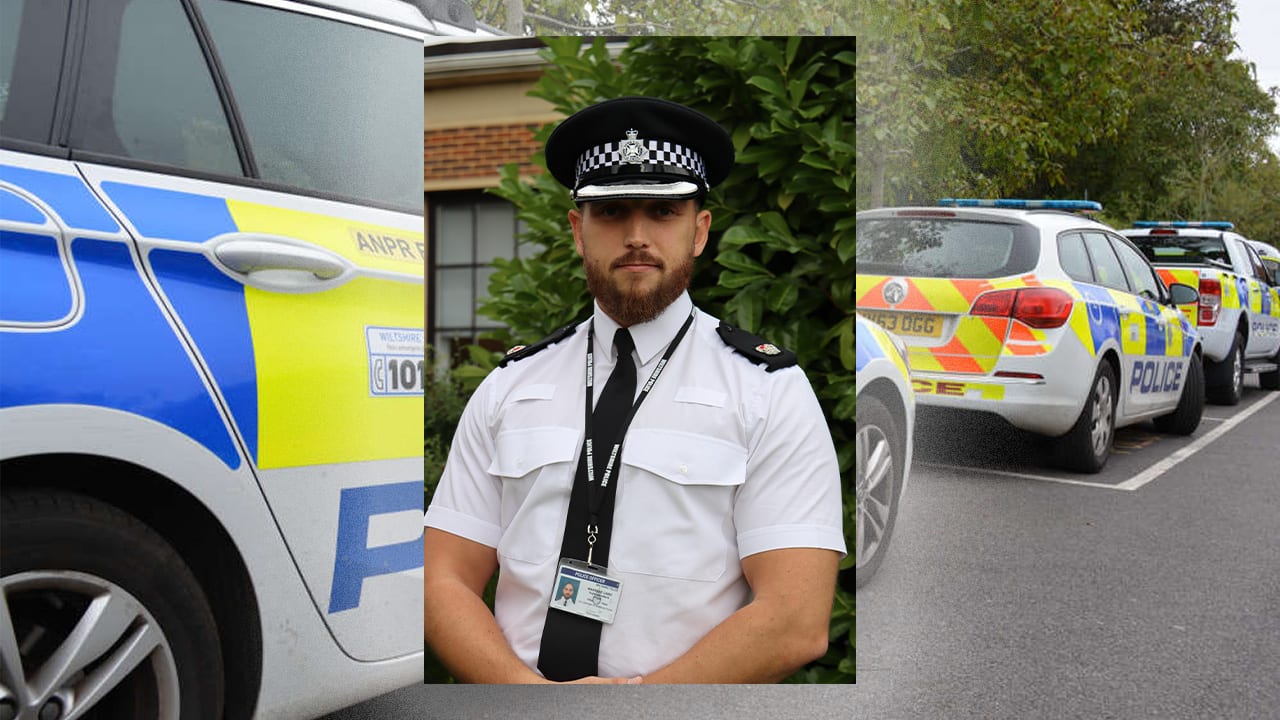 Why Tackling Knife Crime Matters To Me
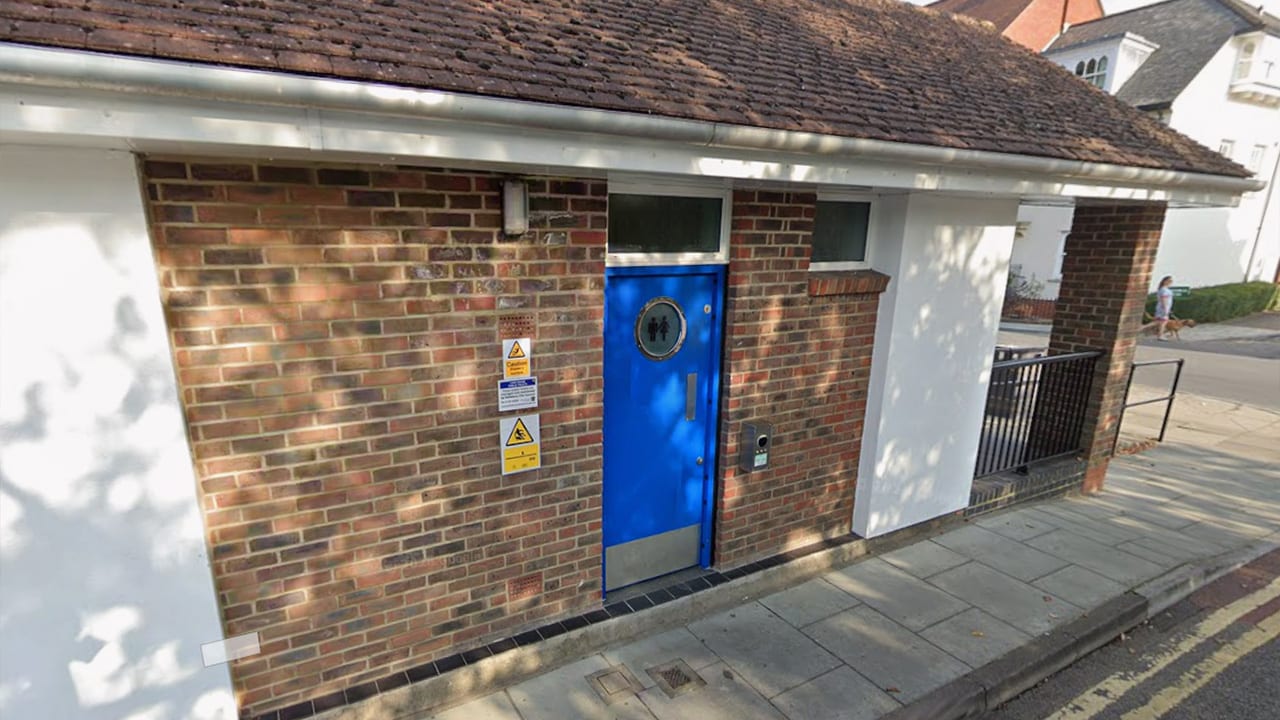 Salisbury Toilets Ranked As One of Worst In UK on World Toilet Day
 Defender Arrives at Ray Mac from Dorking
 Heartbroken family pay tribute to kind and caring woman who died in Amesbury collision
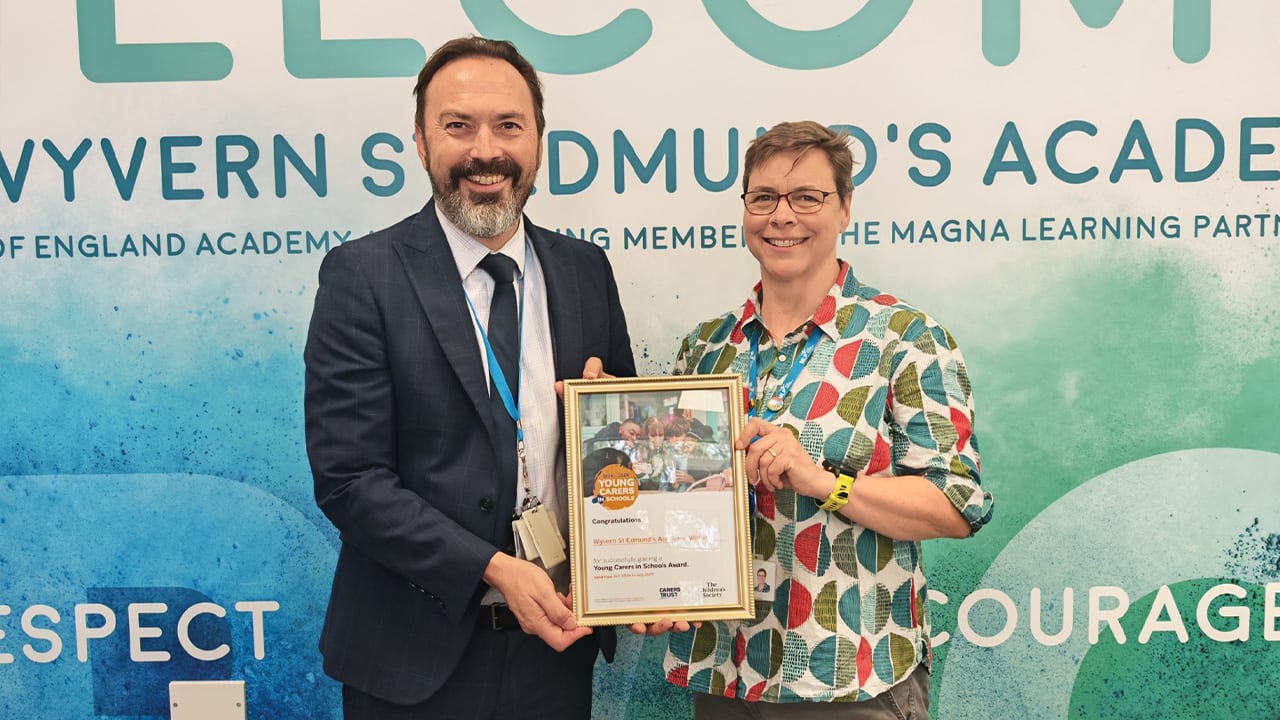 Wiltshire schools celebrated for achieving Young Carers in Schools Award
 Salisbury partnership marks first year of joint action against business crime
 Farmers Invited to Book Free Places at Food and Farming Conference
 St Thomas's Christmas Tree Festival is Back and Bigger