
Written by local nature expert Graeme Davis
Many locals will know the amazing areas on our doorstep, The Salisbury Plain. The plain covers 300 sq miles, and is one of the biggest areas of chalk grassland in Europe. It is used primarily for military training, but the Defence Estates are very good at managing this valuable resource for some of our rarest wildlife. In fact, if the military did not own this land then a lots of important species and habitats would be lost from Britain.
The plains are very important for ground nesting birds like stone curlew and greater bustard, and important conservation schemes are in place for these. Part of the reason that wildlife flourishes on the plains are the lack of people, and more importantly for ground nesting birds, the lack of dogs which disturb such birds even by their presence. If you go on the plains please carefully consider this and always have dogs on a lead.
As the plains are active you must check which areas are accessibly to the public, and stick to these vigorously. Red flags are flown when military activities are taking place and mean no access! There are several marked footpaths and bridle ways across the plains.
The plains are incredibly important for botany and include many rare orchids species. Plants seen on the plains that are rarely found elsewhere include purple milk-vetch and field fleawort which need high quality grassland.
The grassland is teaming with butterflies of importance like brilliantly bright adonis blue, the diminutive small blue, and a scattering of wall butterfly, once widespread across Britain, but has declined dramatically and is now mostly coastal. The plains are also important for a family of uncommon moths called forester moths which are metallic green in colour and day flying. A wonderful site to behold.
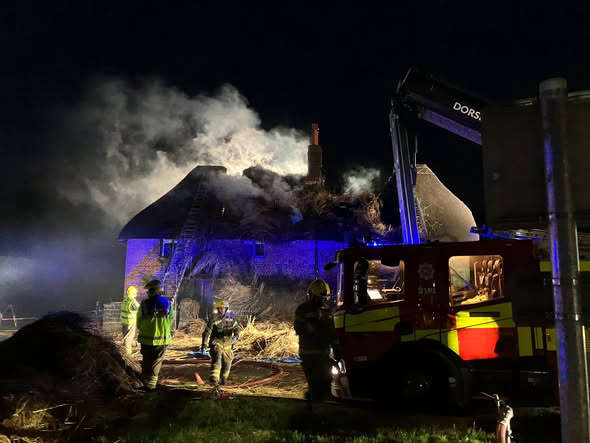 Fire crews tackle thatched house blaze
 New crisis support fund launched
 Driver sentenced after milkman death in Salisbury
 Salisbury Reds opens community funding scheme
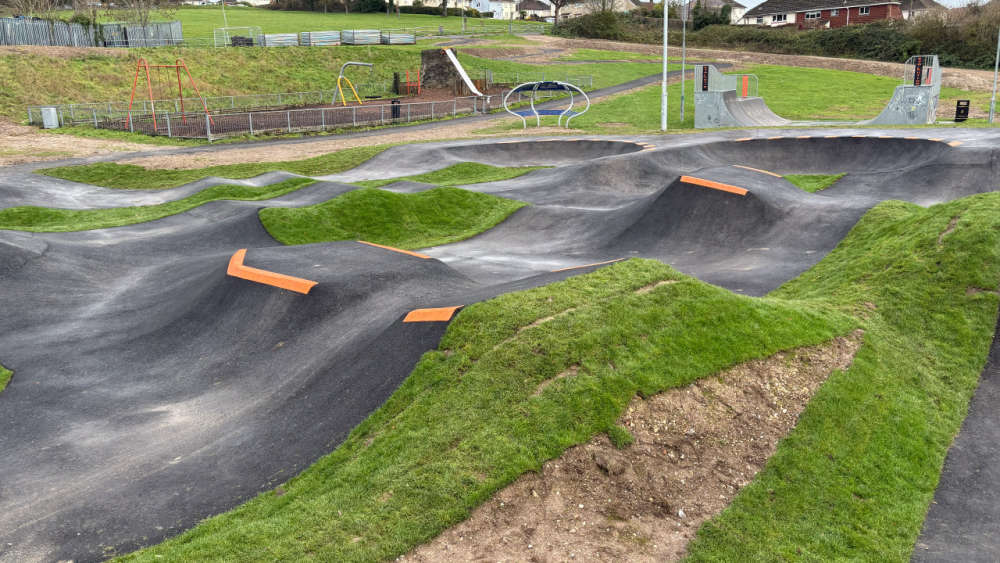 Community Leader sought to Chair new £20m Pride in Place Neighbourhood Board for Bemerton
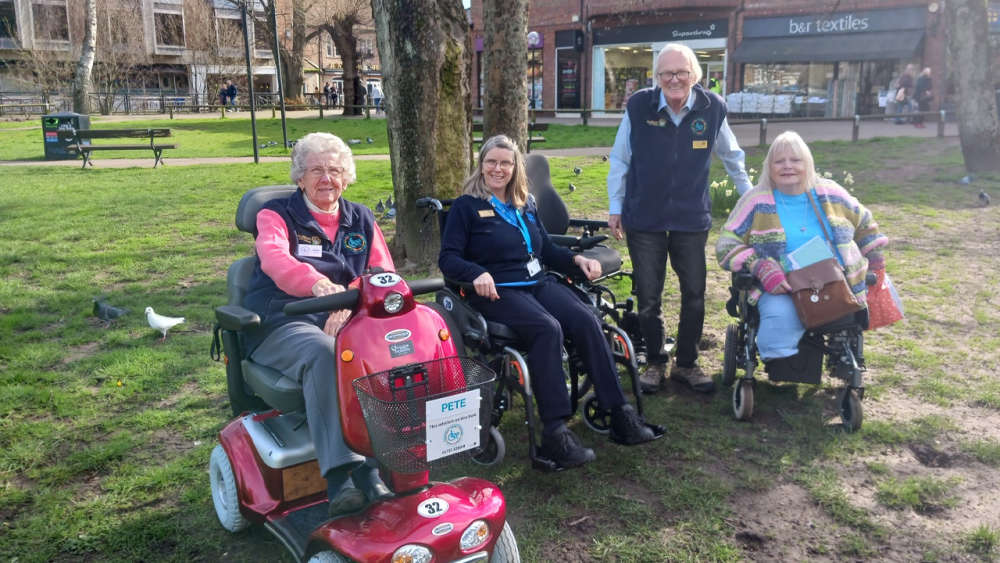 New equipment for Salisbury Shopmobility
 Defeat on the road in Kent leaves the Whites hovering just above the relegation places
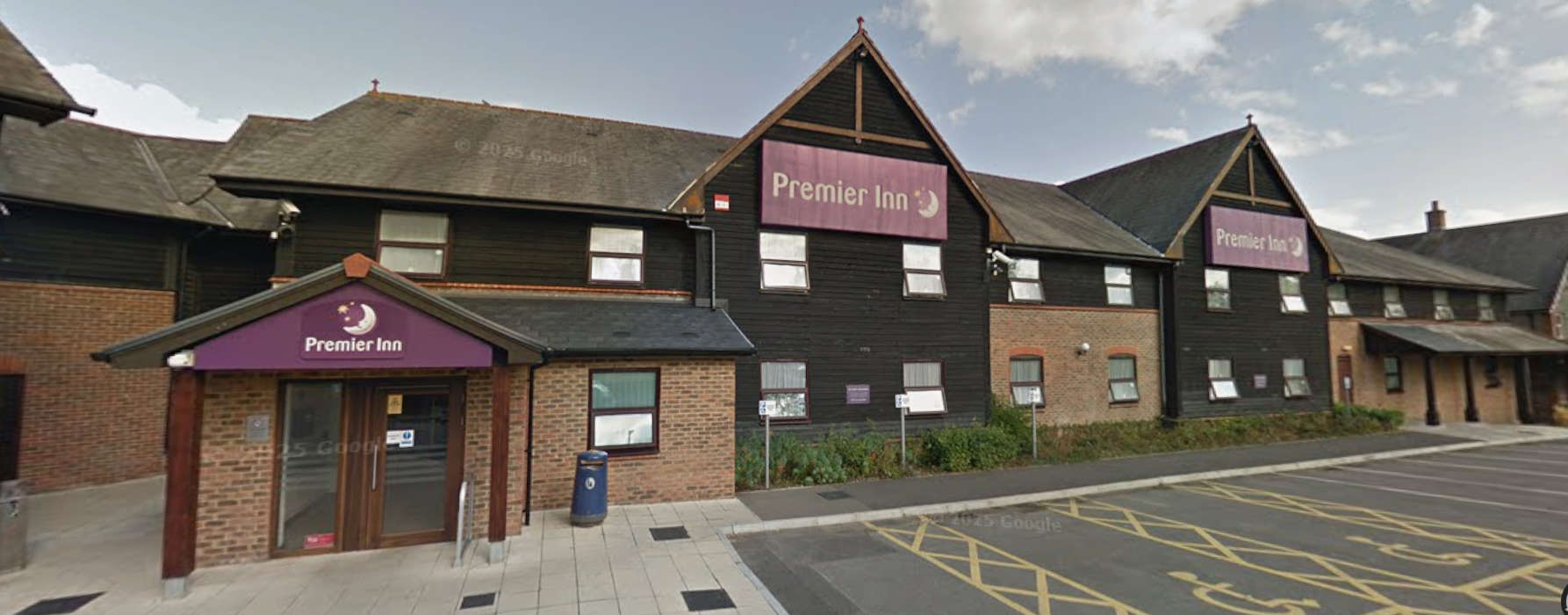 Plans submitted to expand Salisbury hotel