
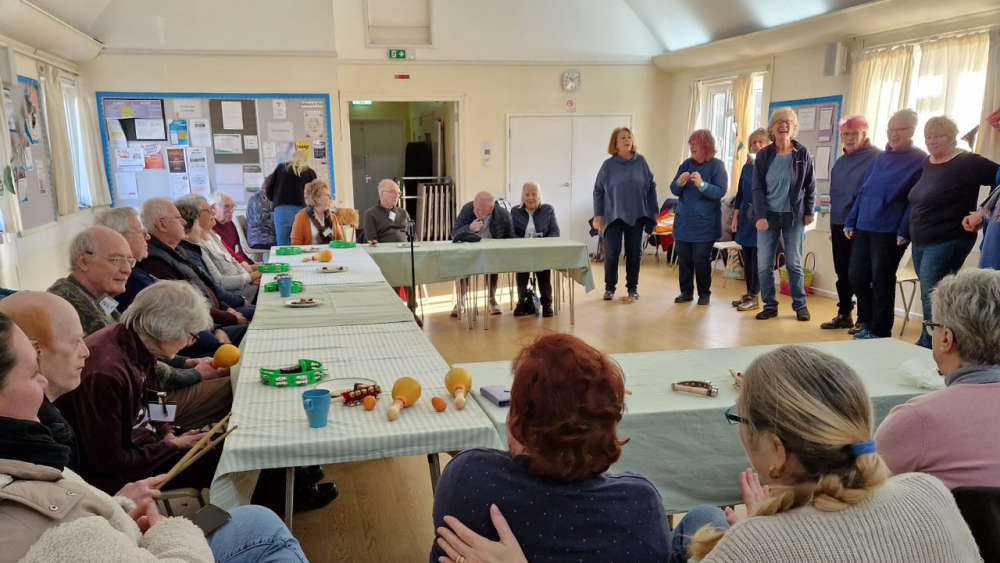
Safer and Supportive Salisbury (SaSS), the local community charity dedicated to building a safer and more supportive city, has published its Dementia Research Report 2025, an in-depth study into the experiences of people living with dementia, their carers, and dementia support providers across the Salisbury area.
The research outlines current challenges, lived experiences from across the local care pathway, and practical recommendations to strengthen dementia support and information services.
“It is vital that people understand you can live well with dementia. While we do have concerns about the provision available at both the beginning and end of the dementia journey, our research has shown that there is an enormous amount of positive work taking place across the city, often in isolation. SaSS is fully committed to finding ways to connect these services, strengthen communication between providers, and ensure that people living with dementia and their carers are fully aware of what support is available now and what is emerging for the future.” Anne Trevett, Chair of SaSS.
Funded by a grant from the Wiltshire & Swindon Community Foundation and undertaken throughout 2025 for a planned January 2026 release, the research involved interviews with people affected by dementia, carers, GPs, social prescribers, support group facilitators, and service-sector representatives. The aim was to reflect the real-world experiences of diagnosis, care, and support navigation in Salisbury and its surrounding communities. Although the work was carried out in 2025, it remains an evolving picture.
Key Findings
- Diagnosis Challenges: While some interviewees received dementia diagnoses within weeks, others waited over a year and, in one case, remain undiagnosed after two years. Multiple respondents indicated that assessment waits and referral processes through memory clinics can be prolonged and stressful.
- Support After Diagnosis: Post-diagnosis support pathways vary significantly by GP surgery. Dementia Advisors are due to be allocated to every individual post diagnosis. Previously, in many cases, access to services and information depended on individual practice procedures, leaving some people without coordinated support or signposting.
- Information Barriers: Patients, carers, and community support providers reported inconsistent, outdated, or inaccessible information about available services. Several interviewees emphasised the need for up-to-date printed and online resources.
- Community Sector Strain: Voluntary and community groups play a critical role in ongoing support to enable people live well in their journey through dementia. However, many groups face fundraising pressure and volunteer constraints, limiting their capacity, particularly for advanced dementia stages and respite services.
Based on the research, the report recommends a more coordinated approach to local dementia care, including with a Dementia Adviser assigned to support individuals post-diagnosis, improving access to clear and up-to-date information, and establishing a centralised information point to streamline referrals. The report also calls for a defined local dementia care pathway, stronger links between social care and later-stage clinical support, an updated guide to dementia services, and increased community awareness to one day help make Salisbury a dementia-friendly city.
Throughout the research, it became clear how rapidly the situation was evolving: early observations requiring improvement were addressed before the research was completed, and this continued to be the case through to the writing of the final report.
This research highlights the importance of community voice in evaluating dementia support infrastructure. SaSS will share the report with local health partners, Wiltshire Council, and community groups to support collaborative action and improve dementia services locally. The findings also align with strategic efforts such as the Wiltshire Dementia Strategy 2023–28 and broader calls for better diagnosis and care pathways documented in national dementia research and advocacy (e.g., Alzheimer’s Society lived experience surveys).
The groundswell created by the publication of this Report will be harnessed in a Dementia Conference in the city during Dementia Awareness Week (19 – 25 May 2026). It will give an opportunity for information sharing and signposting to local support as well as offering a chance for carers to meet and share tips and advice with each other.
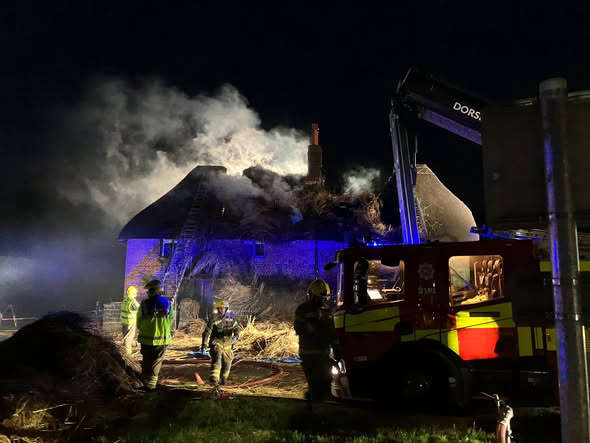 Fire crews tackle thatched house blaze
 New crisis support fund launched
 Driver sentenced after milkman death in Salisbury
 Salisbury Reds opens community funding scheme
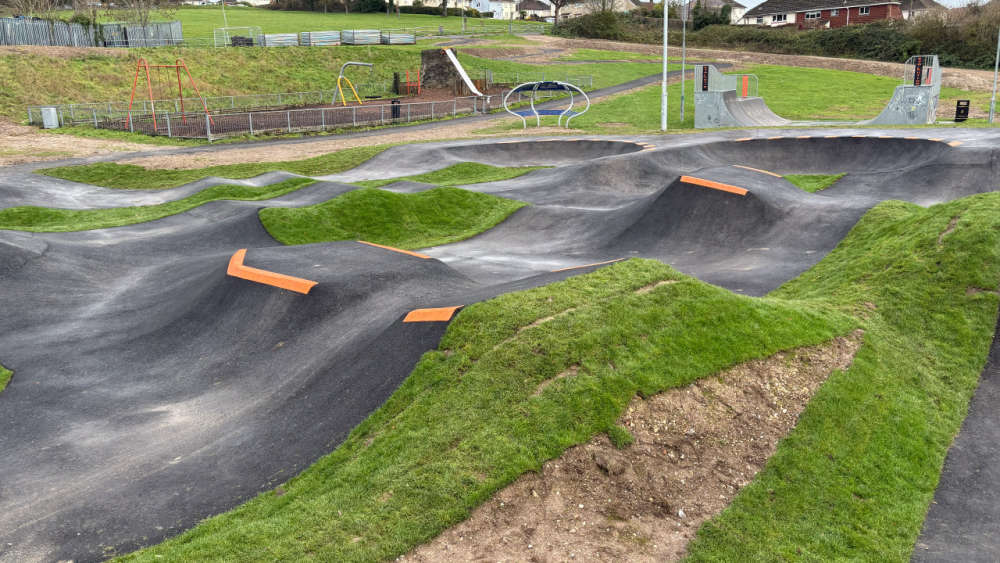 Community Leader sought to Chair new £20m Pride in Place Neighbourhood Board for Bemerton
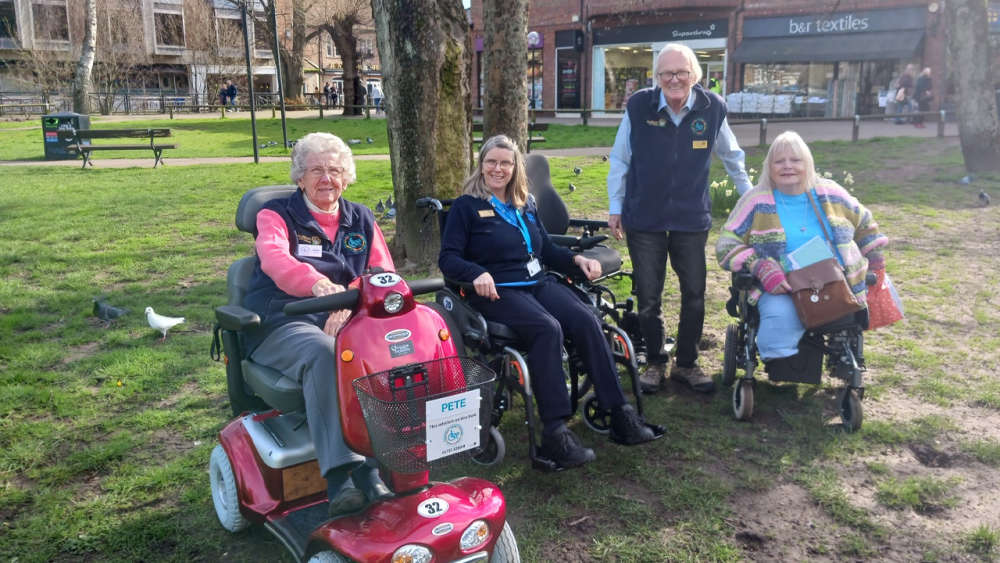 New equipment for Salisbury Shopmobility
 Defeat on the road in Kent leaves the Whites hovering just above the relegation places
 Plans submitted to expand Salisbury hotel